
Intro
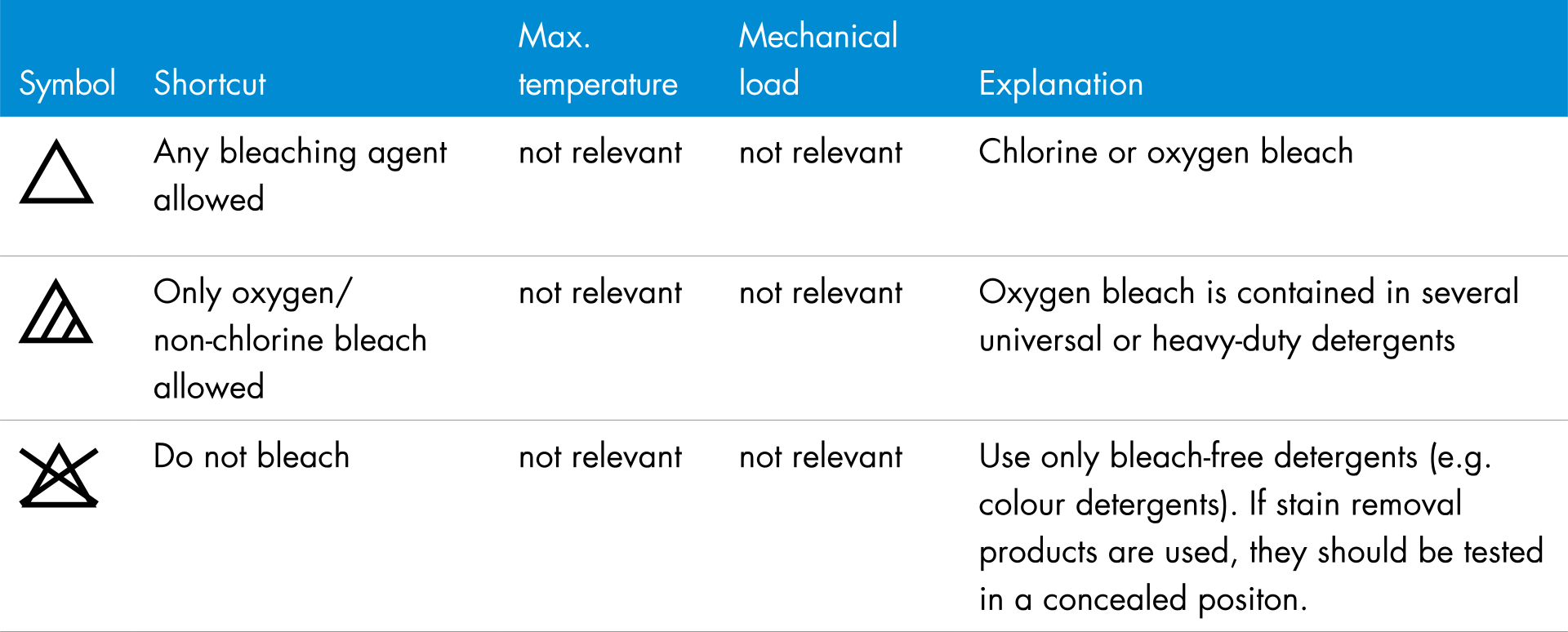
- Indicates whether bleaching is permitted.
- Refers to the use of active chlorine (e.g. Javelle water) or chlorine-free active oxygen (e.g. heavy-duty detergents) to enhance whiteness and assist in stain removal.
- Testing is performed in accordance with colour fastness standards ISO 105-N01 (resistance to hypochlorite bleach) and ISO 105-N02 (resistance to peroxide bleach).
- Colour change is assessed according to DIN EN 20105-A02, and staining (bleeding) according to DIN EN 20105-A03.
FAQ
-
The bleaching symbol indicates whether bleaching treatments are permitted for a textile article. It also specifies whether chlorine-based bleach, oxygen-based bleach or no bleaching agents may be used during laundering.
-
Chlorine bleach contains active chlorine compounds and is primarily used for strong whitening and stain removal. Oxygen bleach is chlorine-free and generally considered gentler on textile materials while still supporting stain removal and whitening performance.
-
Bleaching agents may react with dyes used in sewing threads and fabrics. Depending on the dye chemistry and bleaching process, colour fading, colour change or colour bleeding may occur if the thread is not sufficiently resistant to the bleaching treatment.
-
Resistance to bleaching is tested according to international standards such as ISO 105-N01 for hypochlorite bleach and ISO 105-N02 for peroxide bleach. The tests evaluate colour change and staining behaviour after exposure to bleaching agents.
-
The "Do Not Bleach" symbol indicates that no bleaching agents should be used during laundering. This includes both chlorine-based and oxygen-based bleaching products unless otherwise specified by the manufacturer.
-
Yes. Inappropriate bleaching treatments may weaken fibres, affect colour fastness or alter the appearance of sewing threads and embroidered elements. Following the care instructions helps minimise these risks.
-
Bleach resistance depends on the thread material, dye system and intended application. Colour fastness properties are tested and published in the respective AMANN product data sheets.
-
Bleach resistance testing is particularly important for workwear, healthcare textiles, hospitality textiles and other applications where bleaching agents are regularly used during laundering.