Intro
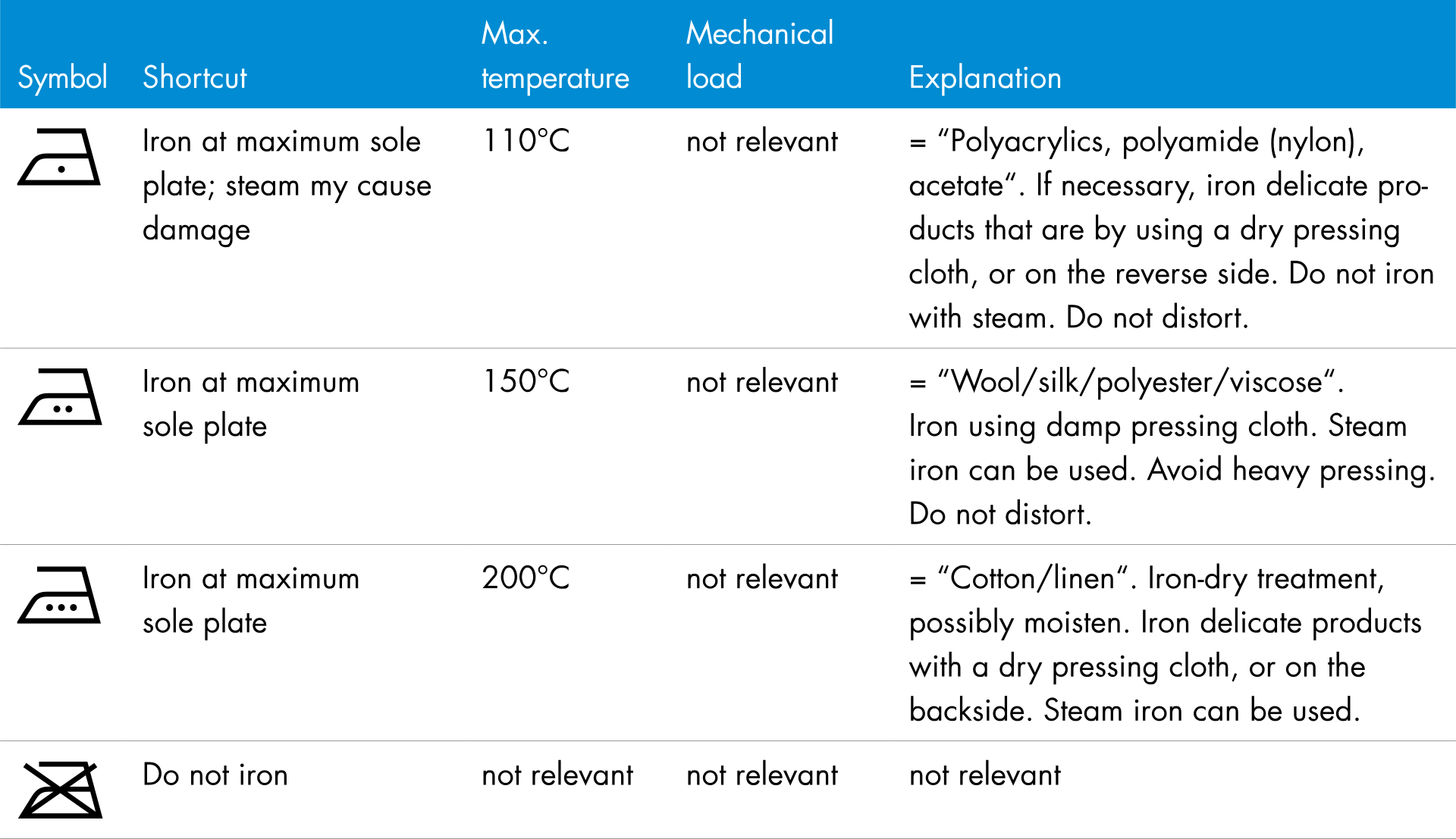
- The dots within the iron symbol indicate the maximum soleplate temperature.
- The temperature refers to the soleplate of the iron.
- Depending on the ironing appliance, certain fibre types may be assigned to the respective temperature settings.
- Testing is carried out in accordance with the relevant colour fastness standards.
- Colour change is assessed according to DIN EN 20105-A02, and staining (bleeding) according to DIN EN 20105-A03.
FAQ
-
The ironing symbol specifies whether ironing is permitted and indicates the maximum soleplate temperature that may be used without damaging the textile article.
-
The dots represent the maximum ironing temperature. One dot typically indicates low-temperature ironing, two dots medium-temperature ironing and three dots high-temperature ironing.
-
Exceeding the recommended ironing temperature may cause fibre damage, melting, distortion, shine marks or colour changes. Following the care label helps preserve the appearance and performance of the garment.
-
Ironing exposes sewing threads to heat and pressure. Depending on the thread material, excessive ironing temperatures may affect colour fastness, dimensional stability or seam appearance.
-
The "Do Not Iron" symbol indicates that the article should not be ironed under any circumstances because the heat may cause irreversible damage to the textile or its components.
-
The suitability of steam depends on the fibre composition and care instructions. Some delicate materials may require dry ironing or the use of a pressing cloth to prevent damage.
-
If the sewing thread shrinks under heat while the fabric remains stable, seams may contract and become puckered. Selecting sewing threads with suitable dimensional stability helps reduce this risk.
-
Colour fastness to ironing is evaluated using recognised testing standards that assess colour change and staining behaviour after exposure to defined ironing temperatures and conditions.