
Intro
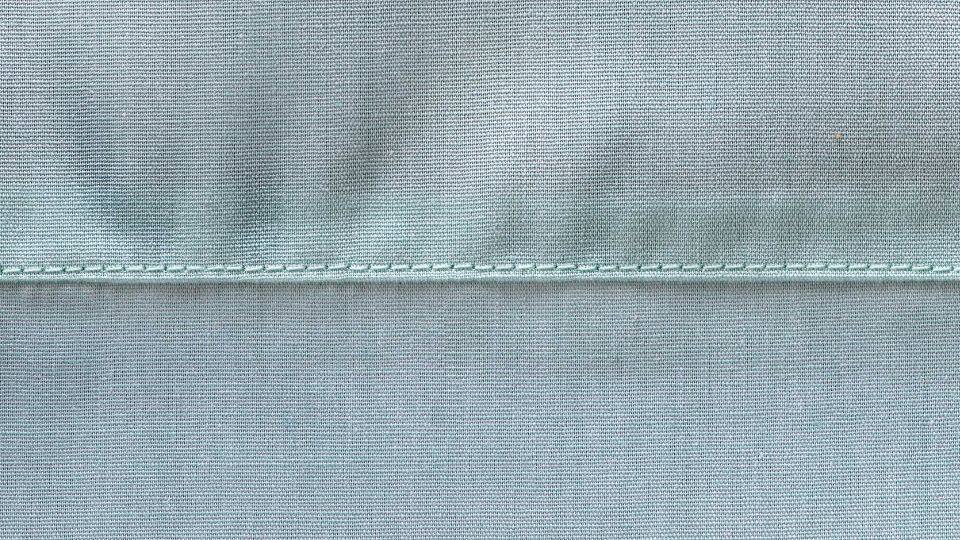
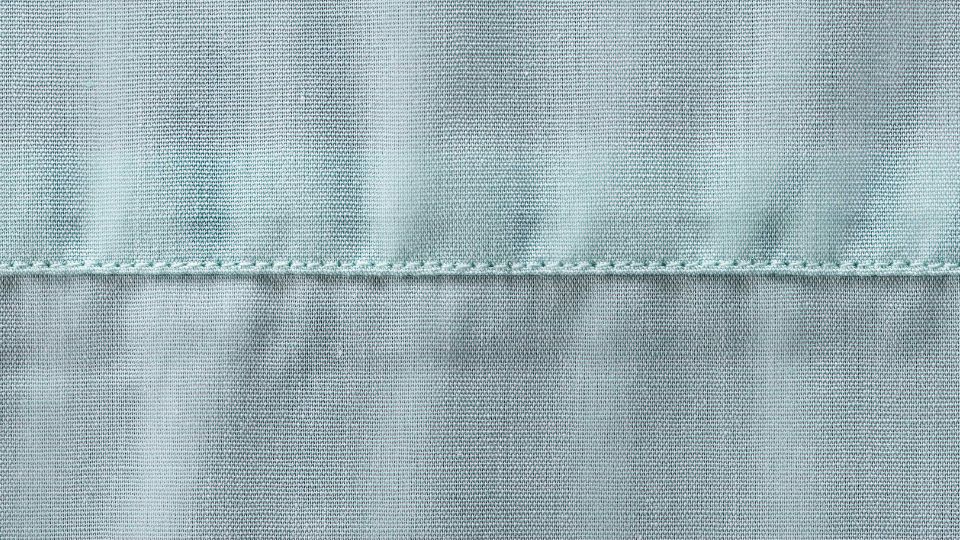
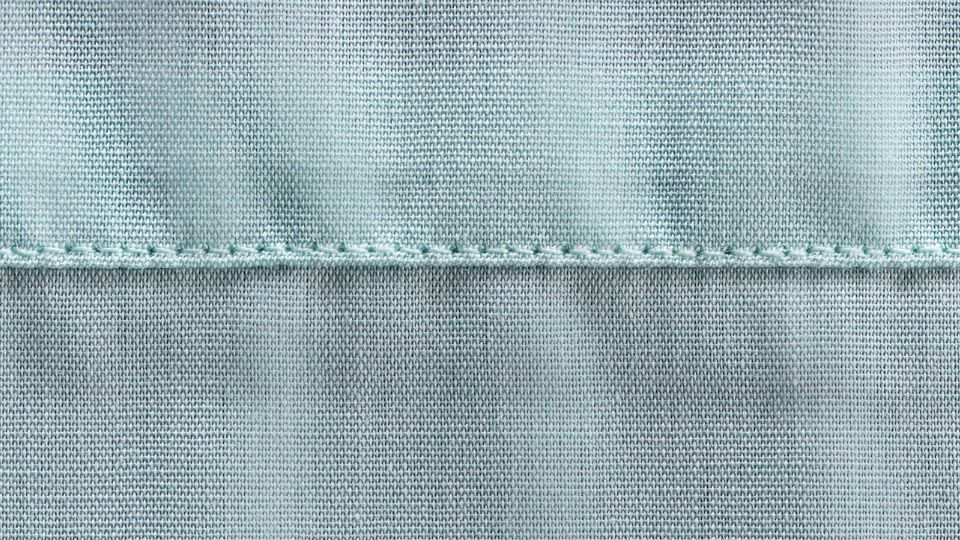
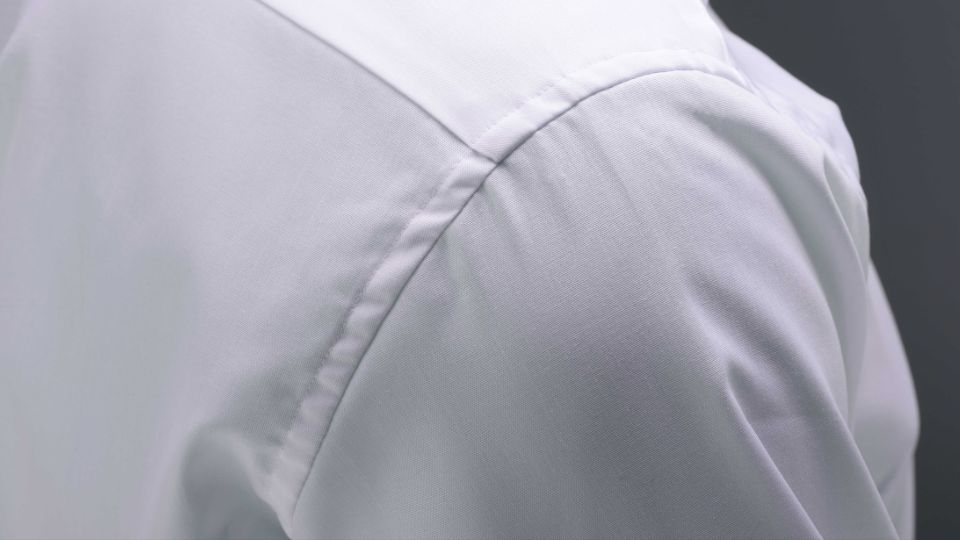
Seam puckering is one of the most common processing problems in the sewing industry. Immediately during or shortly after processing, unwanted waves – known as puckering – appear along the seam. These can only be removed temporarily by ironing or pressing and reappear after the next care treatment at the latest.
A basic distinction is made between the following three types of puckering:
- Transport puckering
- Tension puckering
- Displacement puckering
Depending on the structure of the fabric, one or more types of puckering may occur simultaneously. Other causes of puckering can include design features or poor processing parameters.
Smooth fabrics tend to pucker due to transport, dense fabrics tend to pucker due to displacement, and particularly fine, lightweight fabrics often show tension puckering along the seams. Seam puckering is also increased by creative combinations, such as coarse decorative seams on thin materials.
To prevent seam puckering or improve seam appearance, the puckering phenomenon must first be analysed to determine the cause. Depending on the type of puckering, different approaches are needed to improve the situation.
Short definition
Seam puckering is the unwanted wrinkling, waviness or distortion of fabric along a sewn seam. It can result from uneven feeding, excessive thread tension, yarn displacement or differential shrinkage. Identifying the correct type of seam puckering is the first step towards selecting the appropriate corrective action.
Quick facts
| Property | Value |
|---|---|
| Category | Seam quality |
| Type | Sewing defect |
| Main causes | Feed, tension, displacement, shrinkage |
| Can be prevented | Yes |
| Typical occurrence | During or after sewing |
| Industries | Apparel, footwear, automotive, workwear, technical textiles |
Also known as
Technical terms
- Seam puckering
- Seam pucker
- Puckered seam
- Seam wrinkling
- Seam distortion
Common descriptions
People often describe the problem as:
- My seam puckers.
- My seam is wavy.
- My seam is wrinkled.
- My seam has ripples.
- My seam doesn't lie flat.
- The fabric wrinkles along the seam.
- The seam gathers after sewing.
- The material bunches up at the seam.
- The seam looks uneven.
- The seam is distorted.
The seam contracts after sewing.
Alternative spelling
- Seam puckering
- Seam-puckering
International terminology
| Language | Common terminology |
|---|---|
| English | Seam puckering, Seam pucker, Puckered seam, Seam wrinkling, Wavy seam, Rippled seam, Seam distortion |
| German | Nahtkräuseln, Nahtkräuselung, Wellenbildung an der Naht |
| French | Fronces de couture, Couture plissée |
| Italian | Arricciatura della cucitura |
| Spanish | Fruncido de costura, Arrugas en la costura |
| Chinese | 缝缝起皱, 接缝起皱 |
| Vietnamese | Nhăn đường may, Nhăn đường chỉ |
FAQ
-
Seam puckering refers to unwanted wrinkles or distortions along a sewn seam. It negatively affects both the appearance and quality of the finished product.
-
Puckering can result from incorrect thread tension, fabric displacement, feeding issues, or unsuitable materials. It is often caused by an imbalance between machine settings and fabric behavior.
-
It reduces product quality and visual appeal. In severe cases, it can lead to rejected garments and increased production costs.
-
Proper adjustment of machine settings, thread tension, and stitch parameters is essential. Material compatibility and testing also play a key role.
-
Yes, lightweight and delicate fabrics are more prone to puckering. Fabric structure and elasticity significantly affect seam behavior.
-
Thread properties such as elasticity, thickness, and finish influence seam formation. The right thread helps maintain balanced tension and smooth seams.
-
Yes, correct feed, tension, and stitch settings are critical. Fine adjustments can significantly improve seam quality.
-
No, puckering is usually the result of multiple interacting factors. A systematic approach is needed to identify and solve the issue.